


The Nature of Luck in Gambling
Luck is often perceived as a mystical force that can shape the outcomes of games and decisions, especially in gambling environments like casinos. When players sit down at a game table or slot machine, many hope to invoke fortune to enhance their experience with opportunities such as the 23 dollar neosurf casino that offer exciting gameplay. This belief in luck often influences a gambler’s mindset, leading them to attribute wins and losses to serendipity rather than skill or strategy. As a result, the psychological impacts of believing in luck can greatly affect how one approaches gaming.
The concept of luck is deeply rooted in various cultures and is frequently associated with superstition. Gamblers may resort to rituals, such as carrying talismans or wearing specific clothing, as a way to attract good luck. These actions highlight the intrinsic connection between belief systems and the gambling experience. While luck can be seen as randomness, the emotional comfort it provides can enhance one’s enjoyment and involvement in games. This interplay between belief and experience can lead to a more engaging atmosphere, where the act of gambling transcends mere chance.
Moreover, the casual notion of luck often contrasts with the statistical realities of casino games, which are designed with odds that favor the house. Players frequently overlook the underlying mathematics, choosing instead to focus on the whims of fortune. This disconnect illustrates how luck can serve as both a guiding belief and a diversion from the more rational aspects of gambling, adding layers of complexity to the overall experience. Ultimately, the nature of luck shapes not only individual outcomes but also the broader culture of gaming, where stories of fortune and misfortune intermingle.
The Psychological Impact of Luck on Players
The belief in luck significantly influences how players perceive their outcomes in casinos. Winners might feel euphoric, attributing their success to fortune, which reinforces their desire to continue playing. Conversely, those on losing streaks may feel cursed or unlucky, which can lead to frustration or irrational gambling behavior. This psychological rollercoaster reveals that the idea of luck is not only about the outcomes but also about the emotional journey that accompanies gambling. This emotional landscape can heavily influence a player’s decision to return to the gaming floor or walk away.
Studies suggest that people’s belief in luck can shape their gambling strategies. For instance, a player who trusts their lucky charm might place larger bets, feeling emboldened by their perceived connection to fortune. On the other hand, someone who feels unlucky may play conservatively or even refrain from participating altogether. Understanding these psychological dynamics helps to highlight how luck can dictate not just the results but also the decisions players make while gambling. The psychological stakes are high, as players navigate their emotions alongside their financial investments.

The social aspect of gambling also intertwines with the concept of luck. Gamblers often share stories of their lucky experiences, fostering a communal narrative that promotes excitement and engagement. This storytelling can create a vibrant atmosphere in casinos, where players connect over shared beliefs in luck, enhancing not only individual experiences but the overall culture of gambling. As a result, luck becomes a social currency, enriching the casino experience beyond mere winnings or losses. The camaraderie forged through shared beliefs in luck can create lasting bonds among players.
The Role of Chance in Casino Games
At its core, gambling is about chance, and various games are designed to embrace this element. From slot machines with random number generators to card games like poker that involve both skill and luck, chance is an integral component. Each game has its own set of odds that influence the likelihood of winning, but the element of chance ensures that outcomes can never be fully predicted. This unpredictability is what draws many players to casinos in the first place, fueling their belief in luck. The thrill of not knowing what will happen next is a fundamental part of the gambling experience.
Games such as roulette epitomize the role of chance in gambling. Players place bets on numbers or colors, and the outcome is entirely reliant on where the ball lands. Many see this as a pure game of luck, as players cannot influence the result. However, even with this randomness, some players develop strategies that aim to optimize their chances, highlighting the delicate balance between luck and calculated decisions in the casino environment. This tension between trusting luck and applying strategy adds depth to the gaming experience, making it both exhilarating and complex.
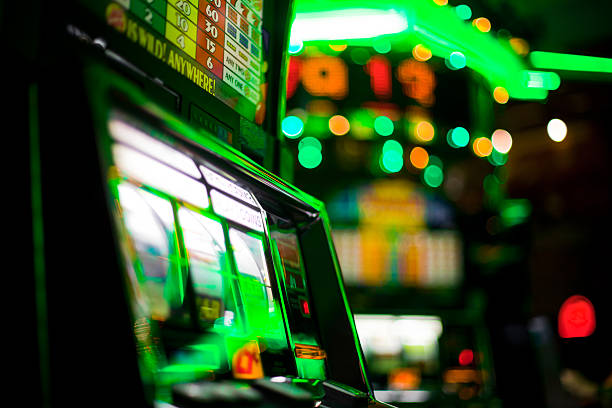
Furthermore, the design of casino games also plays into the illusion of luck. For example, slot machines often employ psychological tricks, such as near-misses or celebratory sounds when players win small amounts. These factors can create a sensation of winning in the players’ minds, leading them to believe that luck is favoring them. This careful crafting of experiences ensures that players remain engaged, as they seek to chase that elusive stroke of luck that could change their fortunes. This phenomenon illustrates how casinos leverage the concept of luck to sustain player interest and participation.
The Fine Line Between Luck and Skill
While luck plays a significant role in gambling, there is often a fine line between luck and skill, especially in strategic games such as blackjack and poker. In these instances, players must use their knowledge and understanding of the game to make decisions that might counteract the impact of luck. Skilled players can minimize their losses and enhance their chances of winning by employing tactics like card counting or bluffing, demonstrating that while luck is a component, skill cannot be overlooked. This interplay between skill and chance adds an intriguing layer to the gambling experience.
This nuanced relationship between luck and skill creates a fascinating dynamic in casino play. For instance, while a novice player might rely on luck alone, an experienced player understands that their choices and strategies significantly influence the outcome. This distinction can shift the perception of the gambling experience from purely luck-based to one where skill and decision-making play a pivotal role, thereby enriching the overall engagement with the game. The balance of luck and skill can dictate both short-term enjoyment and long-term success.
Ultimately, the interplay between luck and skill can determine how players feel about their experiences in a casino. A player who wins due to skill may feel a sense of accomplishment, while one who relies solely on luck may feel excitement but little satisfaction. As a result, the blend of these factors creates a multifaceted gambling environment, where players are constantly navigating their beliefs and strategies in pursuit of success. This complexity enhances the thrill of gaming, as players seek to optimize their experiences through both luck and skill.
Exploring Your Own Luck
In conclusion, the influence of luck on the casino experience is both profound and multifaceted. Players often find themselves torn between their belief in luck and the underlying mechanics of chance and skill. Understanding how these elements interact can enhance the overall experience, allowing players to engage more mindfully with their gambling habits. Whether leaning heavily on luck or honing skills, each player crafts their unique approach to these games. This personal journey can be as rewarding as the games themselves.
Moreover, the social and psychological dimensions of luck in gambling remind us that casinos are more than just places for monetary transactions; they are environments rich in culture, narrative, and emotion. Engaging with others who share an interest in luck can also bring a sense of community to the experience, making each visit to a casino memorable beyond the chance of winning or losing. Each interaction becomes a part of the larger tapestry of experiences that define what it means to gamble.
As you delve into your own gambling journey, embracing the idea of luck while also considering the strategies at play can enrich your experience. Whether you cherish the thrill of the random or the satisfaction of a well-played hand, understanding the intricate relationship between luck and skill can elevate your time in the casino, leading to a richer, more fulfilling experience overall. Ultimately, the pursuit of luck, combined with thoughtful engagement with games, can transform gambling into a rewarding adventure.